Comparisons10 min read
Digital vs Printed Wedding Invitations: Complete Comparison 2026
Digital or printed wedding invitations? A side-by-side look at cost, delivery, convenience for guests and tradition — plus the hybrid approach many Indian families use.
One of the biggest decisions when planning your 2026 wedding is: should we go digital or stick with traditional printed wedding invitations? Both options have their strengths, and the right one depends on your budget, your guests, your wedding style and your family's expectations.
In this comparison guide we break down digital vs printed wedding invitations across 12 key factors — cost, delivery speed, convenience for guests, tradition and more. By the end you'll know which option (or which mix of the two) suits your wedding.
Quick answer
Digital vs Printed Wedding Invitations: Which is Better?
For most weddings, digital comes out ahead: it's a one-time ₹499 on Shaadi Invitation (printed cards usually run into tens of thousands of rupees), reaches every guest instantly on WhatsApp, and gives guests one-tap Google Maps directions and call buttons for the family. Printed cards win on keepsake value and on tradition. The practical answer for many families is both: a digital invitation for everyone, plus a small batch of printed cards for elders who value them.
Quick Comparison at a Glance
| Factor | Digital invites | Printed invites |
|---|---|---|
| Cost | ₹499 once on Shaadi Invitation | Roughly ₹20,000–₹1,00,000 for a few hundred guests |
| Delivery speed | Instant | Usually 3–7 days |
| Paper waste | None | Paper, ink and packaging |
| Fixing a mistake before sending | Change it in the editor, free | Reprint |
| Google Maps directions | One tap per function | Address only |
| Collecting RSVPs | Replies arrive in WhatsApp; you keep the list | Phone calls; you keep the list |
| Physical keepsake | ||
| Best for | Large weddings, NRI families, short notice | Small weddings, very traditional families |
Cost Comparison: The Real Numbers
Let's start with the factor many couples care about most: money. Here's roughly what 400 wedding invitations cost in 2026. Prices vary a lot by city, printer and finish, so treat these as typical ranges rather than quotes.
Approximate cost for 400 invitations
| Item | Printed invitations | Digital (Shaadi Invitation) |
|---|---|---|
| Card design | ₹5,000–₹15,000 | ₹0 — six ready templates, free to design and preview |
| Printing (₹50–200 per card) | ₹20,000–₹80,000 | ₹0 |
| Envelopes & packaging | ₹4,000–₹8,000 | ₹0 |
| Courier / postage | ₹5,000–₹20,000 | ₹0 — shared on WhatsApp |
| Extra cards (mistakes, late additions) | ₹3,000–₹7,000 | ₹0 |
| Your shareable link | — | ₹499, one-time |
| Total | ₹37,000–₹1,30,000 | ₹499 |
Luxury printed invitations — embossing, gold foil, boxed cards, hand delivery — can cost well over ₹2 lakh for 400 guests.
Complete Pros & Cons Analysis
Digital invitations
Advantages
- Far cheaper — a one-time ₹499 instead of the printing and delivery budget
- Instant delivery — reach hundreds of guests in minutes on WhatsApp
- Google Maps for every function — guests tap once and navigate
- One-tap calling — family numbers become call buttons, handy for elders
- Every function on one page — Haldi, Mehendi, Sangeet, Wedding and Reception together
- Eco-friendly — no paper, ink or courier
- Great for NRI families — guests in India, the UK and the US get it at the same moment
- Hard to lose — the link stays in the guest's WhatsApp chat
Disadvantages
- No physical keepsake — some guests like a card to keep
- Needs a smartphone — a few elders may need help opening it
- Can feel less formal to very traditional families
- Easy to miss in a busy group chat — send personal messages too
- Proofread before sending — you can edit the link until the wedding, but guests who read it early may not look again
Printed invitations
Advantages
- Physical keepsake — guests can keep the card as a memory
- Traditional, formal feel — matches classic expectations
- Works for non-tech guests — no phone or internet needed
- Luxury finishes — embossing, foil and handmade paper
- Personal touch — hand-delivering cards to close relatives shows care
Disadvantages
- Expensive — often ₹40,000 or more for a few hundred cards once delivery is included
- Slow — several days by courier, longer to remote areas or abroad
- Mistakes are permanent — a wrong date or address means reprinting
- No directions or call buttons — guests type addresses and numbers by hand
- Cards get lost — in the post or at home
- Paper and packaging waste
- Limited space — hard to fit several functions, directions and contacts
12 Key Factors Compared in Detail
1. Cost
Digital: ₹499
Shaadi Invitation is free to design and preview; the link is a one-time ₹499, with no limit on how many guests you send it to.
Printed: ₹40,000–₹1,30,000
Design, printing at ₹50–200 a card, envelopes, courier and spare cards for a few hundred guests.
Winner: digital. The saving can pay for something guests will actually enjoy.
2. Delivery Speed
Digital: Instant
Share with every guest in minutes on WhatsApp; they're notified straight away.
Printed: 3–7 days
Local courier takes a few days, outstation longer, international a couple of weeks.
Winner: digital. Ideal for short-notice weddings and late additions to the guest list.
3. Environmental Impact
Digital: No paper waste
No paper, ink, plastic wrapping or courier trips.
Printed: Paper and packaging
Hundreds of cards, envelopes, wrapping and delivery runs.
Winner: digital. An easy win for eco-conscious couples.
4. Fixing Mistakes Before You Send
Digital: Free and quick
Spot a typo in the preview? Change it in the editor before you share — and on Shaadi Invitation you can still edit your link until the wedding.
Printed: Reprint
A mistake found after printing means reprinting the batch or living with it.
Winner: digital — as long as you proofread before sharing.
5. Interactive Features (Maps, Calling, Forwarding)
Digital: Tap to act
- Google Maps directions for each function
- One-tap calls to both families
- Easy to forward to family members
Printed: Static text
- Guests copy the address into maps
- Phone numbers dialled by hand
- Must be handed over physically
Winner: digital. Directions and call buttons save guests time and prevent wrong turns.
6. RSVPs & Guest Follow-Up
Digital: Replies in the chat
Guests reply in the same WhatsApp chat or tap to call the family. Shaadi Invitation doesn't collect RSVPs, so keep a simple list of who has replied.
Printed: Phone calls
Call each guest or wait for them to call you, and keep the list by hand.
Slight edge: digital — replies come back where you sent the invite. Our guide to tracking RSVPs online covers simple tools for the list.
7. Physical Keepsake Value
Digital: No physical card
The invitation stays in WhatsApp, but there's nothing to hold or display.
Printed: Keepsake
Guests can keep the card in a memory box or show it to friends.
Winner: printed — but see the hybrid approach to get both.
8. Design Options & Customization
Digital: Six cultural templates
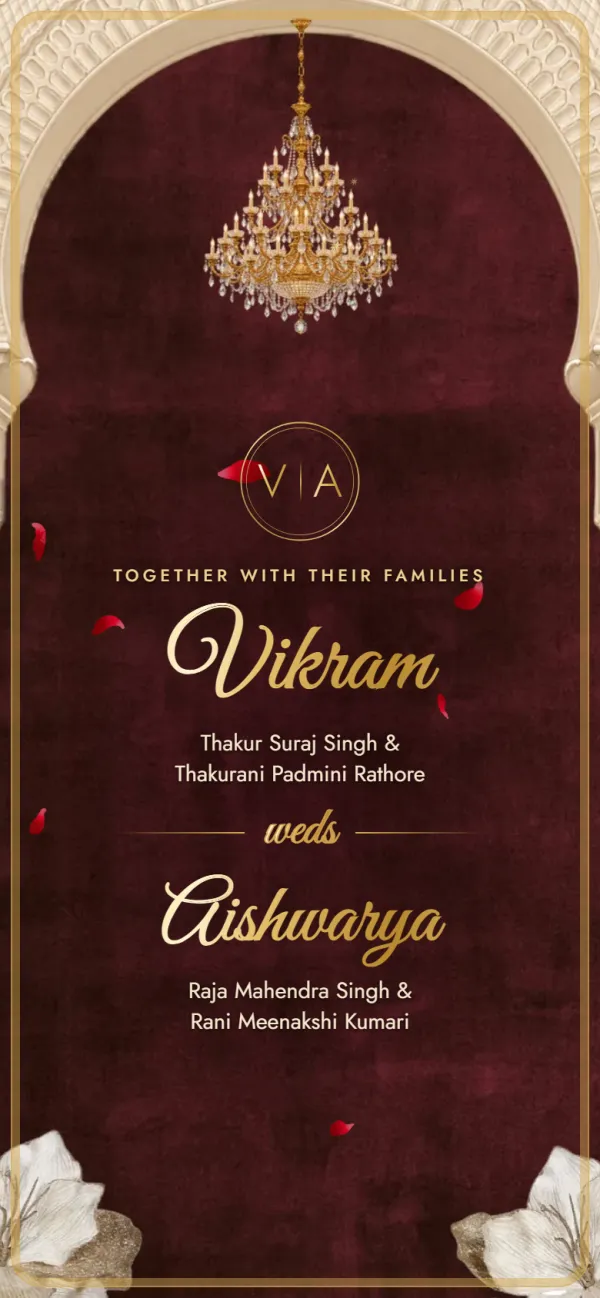
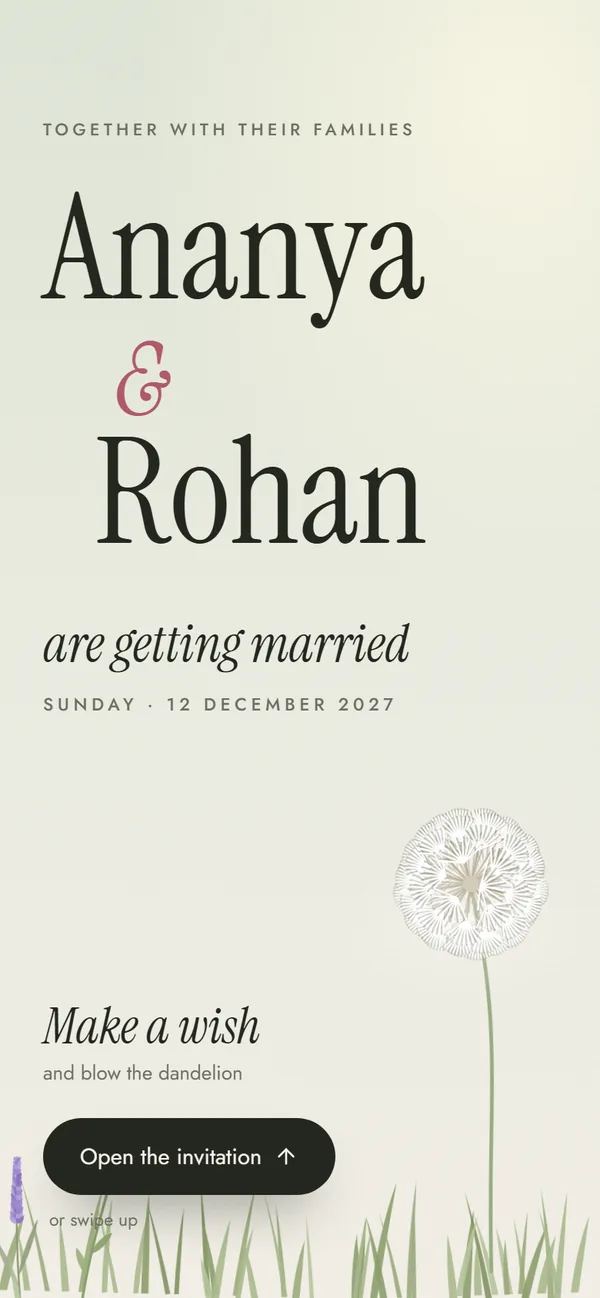
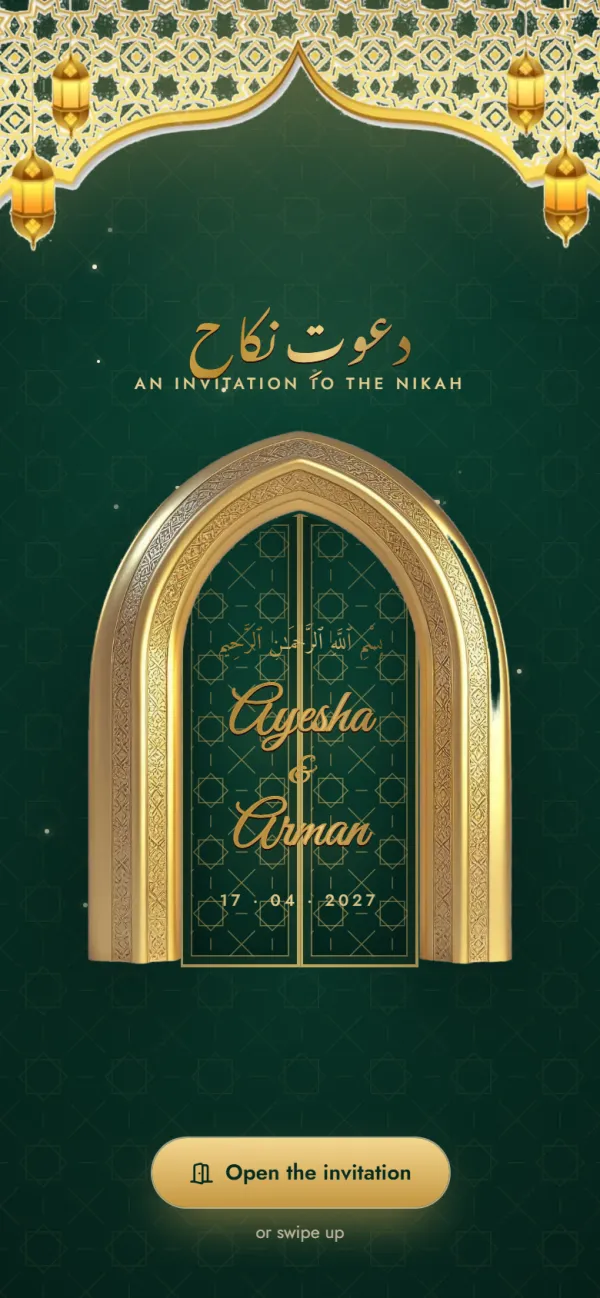
Shaadi Invitation has Hindu, Royal, Muslim, Sikh, Christian and modern designs. You fill in the text, dates and functions; colours and fonts come with the template.
Printed: Fully custom
A designer can create anything — embossing, foil, handmade paper — at a price.
Tie. Templates are quick and polished; printed gives unlimited luxury options.
9. Guest Convenience
Digital: Very convenient
- Always in their WhatsApp
- Open anytime on the phone
- One-tap directions and calls
- Easy to forward to family
Printed: Traditional experience
- Can be misplaced
- Address copied by hand
- Numbers typed by hand
- Nice to display at home
Winner: digital for day-to-day convenience.
10. NRI & Destination Weddings
Digital: Made for it
Guests in the USA, UK, India and Australia get it at the same moment, and Google Maps works wherever the venue is.
Printed: Expensive and slow
International courier can cost hundreds of rupees per card and take a couple of weeks.
Winner: digital — close to essential for families spread across countries.
11. Formality & Traditional Perception
Digital: Modern and practical
Seen as modern; very traditional families may still expect a card.
Printed: Traditional and formal
Universally recognised as formal wedding etiquette.
Winner: printed — though expectations are changing. See is it tacky to send digital wedding invitations?
12. Handling Last-Minute Changes
Digital: One message to everyone
If a time or venue changes after you've sent the invitation, update it and the same link shows the change. A short WhatsApp message then tells every guest within minutes.
Printed: Phone around
Cards can't change. You call guests one by one or print and send corrections.
Winner: digital — the link updates and the news goes out instantly.
Which Should YOU Choose?
Decision framework
Answer these three questions:
- 1
What's your budget?
- Budget-conscious, or saving for other priorities? Go digital and keep the printing money.
- Budget isn't a concern? Either works — choose on tradition and convenience.
- 2
How many guests, and where are they?
- A large wedding (300+) or family across countries? Digital — instant delivery everywhere.
- A small wedding (50–100) all in one city? Either works.
- 3
How traditional are your families?
- Comfortable with phones? Digital — they'll appreciate the map buttons.
- Expecting printed cards? Printed, or the hybrid approach.
Choose digital if
- Your budget is limited
- You have 200+ guests, or guests in several countries
- You want Google Maps directions for every function
- You care about cutting paper waste
- The wedding is only a few weeks away
- Most guests are comfortable with WhatsApp
Choose printed if
- Your family strongly expects printed cards
- It's a small, intimate wedding
- Budget isn't a constraint
- You want guests to have a keepsake
- You plan to hand-deliver cards to close relatives
- Some guests don't use smartphones
The Hybrid Solution: Best of Both Worlds
Can't decide? Do both. The hybrid approach combines tradition with convenience:
- 1
Print 50–100 simple cards or "Save the Date" cards
Small, elegant cards with the couple's names, the main date and the city. Hand these to elders and very close relatives who value a physical card.
- 2
Create the full digital invitation on Shaadi Invitation
Include every function with its date, time, venue and Google Maps link, plus phone numbers for both families.
- 3
Share the link with every guest — including card recipients
Everyone gets the complete invitation on WhatsApp, so even relatives with a printed card can tap for directions on the day.
Benefits
- Elders get a keepsake
- Costs a fraction of printing for everyone
- Every guest gets maps and call buttons
- Balances tradition and convenience
Example cost
- Printing for all 400 guests: around ₹80,000
- Hybrid: around ₹6,000 (100 cards at ₹60), plus ₹499 for the link
- Saving: over ₹70,000
Final Verdict: Digital Wins for Most Weddings
Unless you have an unlimited budget or very traditional family expectations, digital invitations are the smart choice in 2026. They save money, reach everyone instantly and give guests directions and contacts that printed cards can't.
Worried about tradition? Print a small batch of cards for elders and send the digital invitation to everyone else — the best of both worlds.
Create your digital invitation
Six templates, every function with its own map link, one-tap calls to the family — shared as one link on WhatsApp. Free to design and preview, no sign-up.
Frequently asked questions
Choose digital if you're watching the budget, have a large guest list or family abroad, want Google Maps directions for every function, or are short on time. Choose printed if your family strongly expects cards, the wedding is small, or you want guests to have a keepsake. Many families do both: a few printed cards for elders and a digital invitation for everyone.
For a 400-guest wedding, printed invitations typically cost ₹37,000–₹1,30,000 once design, printing (₹50–200 per card), envelopes, courier and spare cards are added up. A digital invitation on Shaadi Invitation is free to design and preview, and the link is a one-time ₹499 for every guest. Even with a hybrid approach — say 100 printed cards at ₹60 — you'd spend around ₹6,000 plus the link.
Not when they're done well. Shaadi Invitation's six templates (Hindu Traditional, Hindu Royal, Muslim Elegant, Sikh Vibrant, Christian Classic and Modern Minimal) carry traditional blessings and a clean, polished layout. Formal wording with proper titles and parents' names matters more than the medium.
It depends on the guest. Younger and busy guests tend to value the convenience of a link with directions and call buttons, while some elders treasure a printed card. That's why the hybrid approach works so well: elders get a card to keep, and everyone gets the link for directions.
Yes. If you spot a mistake on printed cards or simply want guests to have directions, create a digital invitation in a few minutes and share it on WhatsApp. Some couples still hand over the printed cards as keepsakes and ask guests to use the link for the details and maps.
Use the hybrid approach: print a small batch of cards for grandparents, aunts and uncles who value them, then share the full digital invitation — every function, venue and map link — with all guests, including those who received a card.
Yes. Once you've got your link, you can keep editing until the wedding through your private edit link — change a time, a venue or a phone number and the same link shows the update, so there's nothing to re-send. Before you pay, you can change anything in the editor and check it in the preview. For a big change, also send guests a short WhatsApp message so they notice.
Found this useful?
Send it to whoever is helping with the invitations.
Make your wedding invitation
Every function, map and family number in one link. Free to design and preview, no sign-up.
Create Your InviteBrowse templates